
TECHNOLOGY
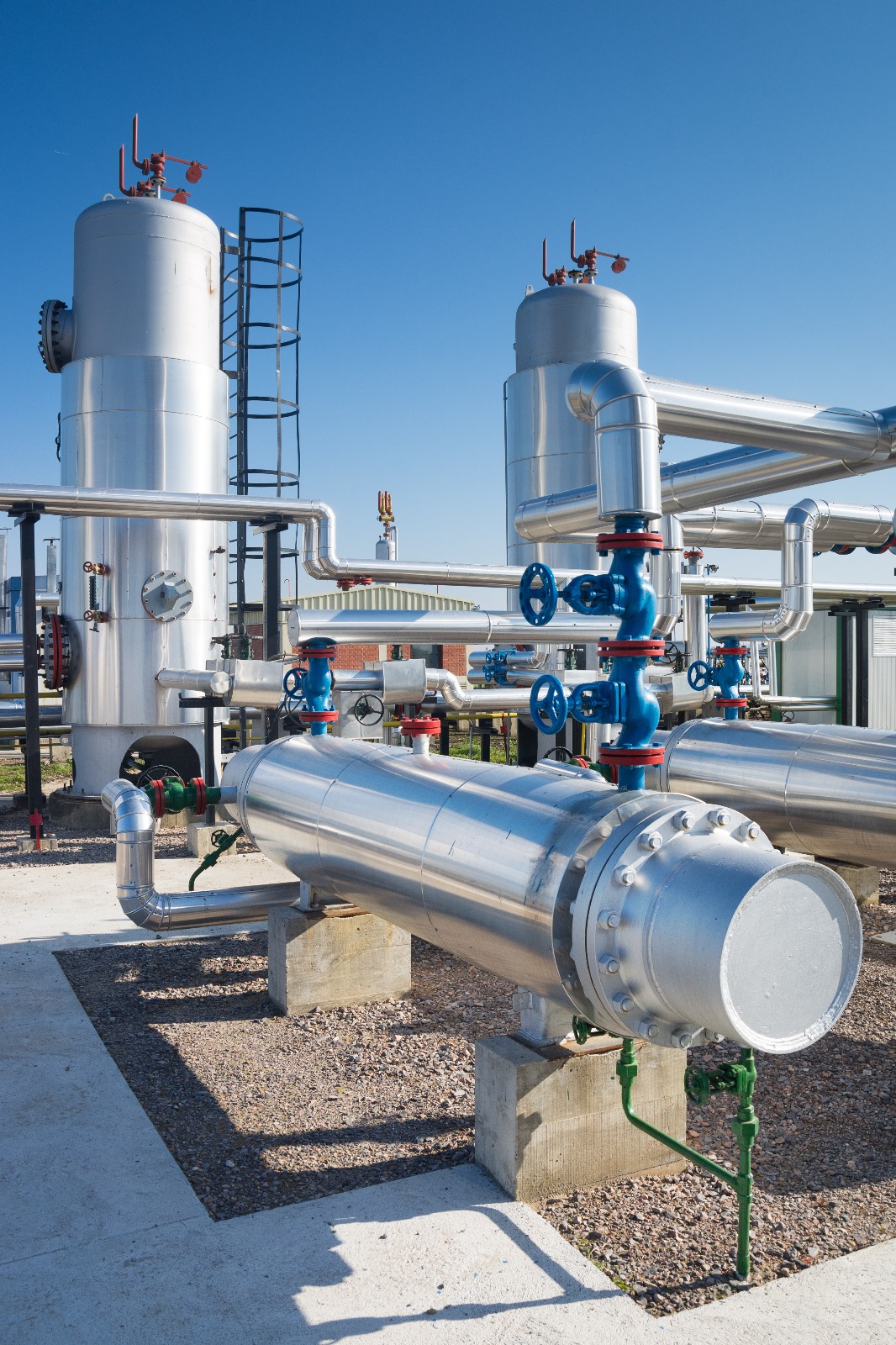
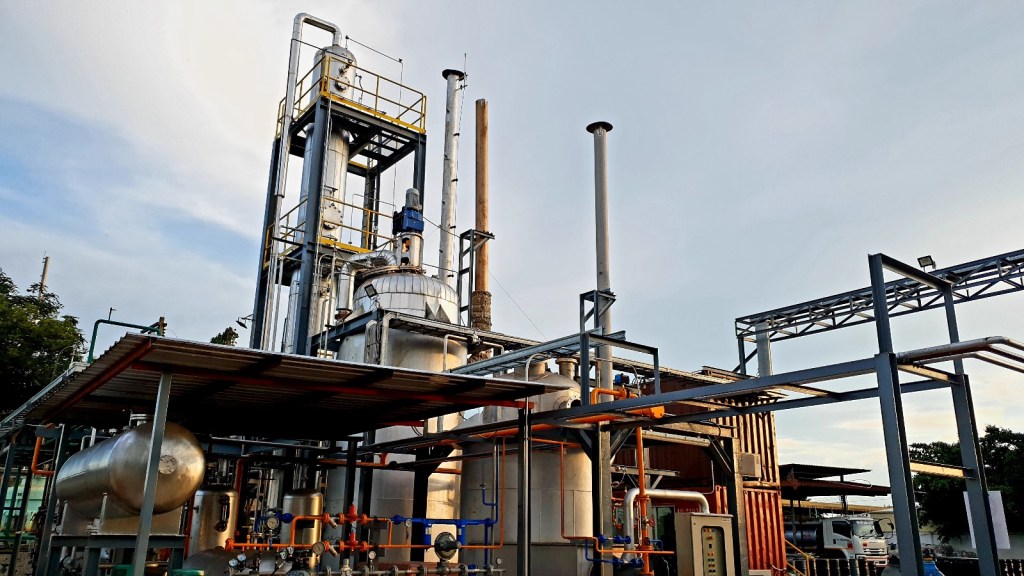
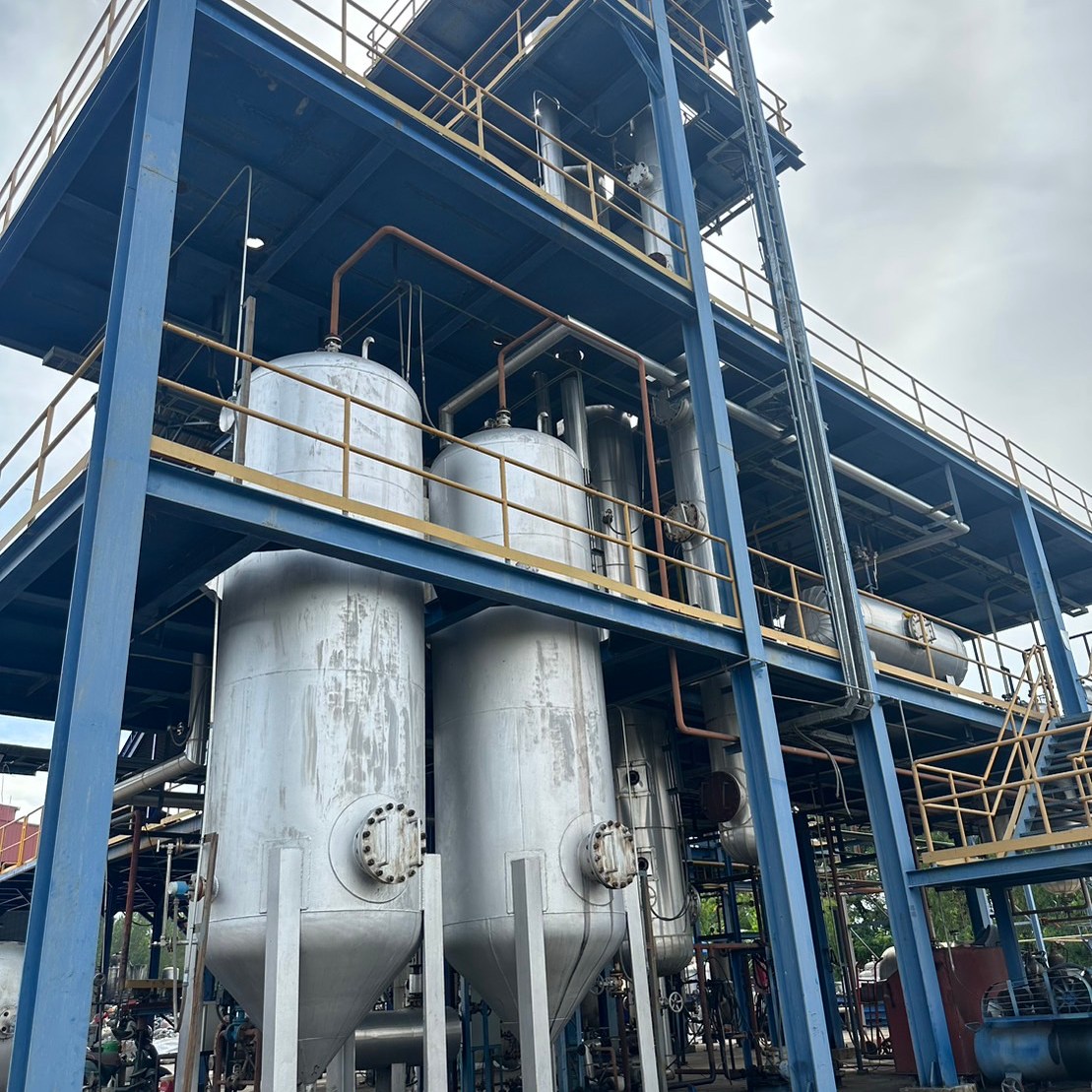
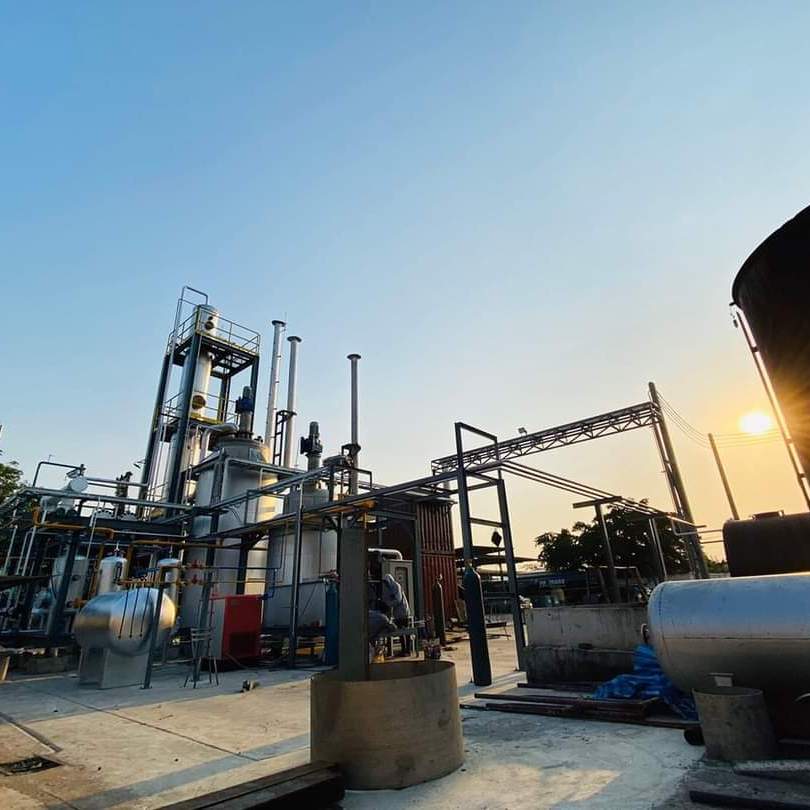
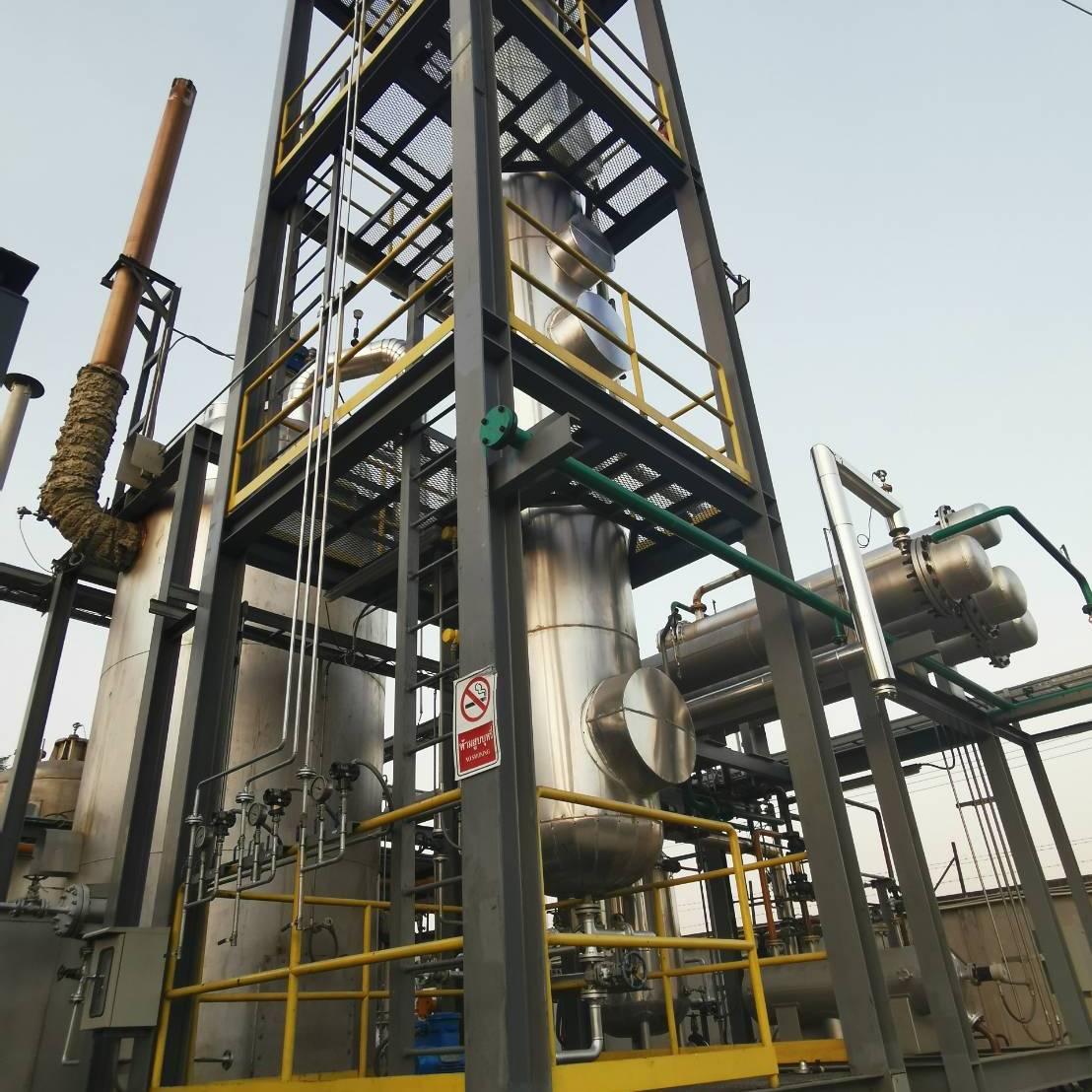
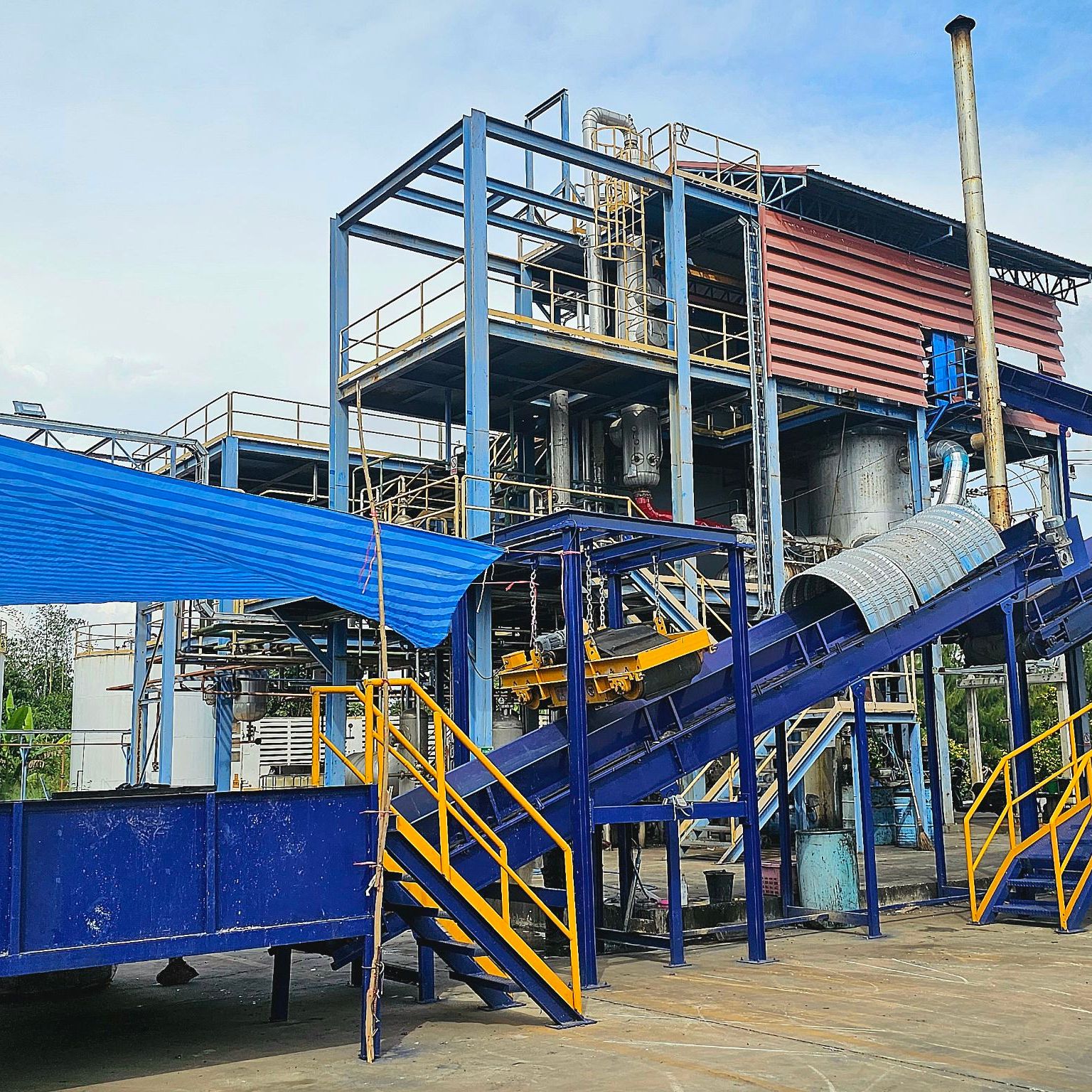
Chemcycle’s Pyrolysis System, developed in partnership with ECI Group Thailand, represents a cutting-edge solution in plastic waste management. This system harnesses advanced thermal decomposition technology to convert plastic waste into synthetic crude oil, operating in an oxygen-free environment to ensure efficient breakdown of polymeric materials into smaller hydrocarbons. Engineered with precision, it features a high-temperature pyrolysis reactor, an effective gas management setup for syngas recovery, and a streamlined process for oil collection and solid residue management.
REDUCING ENVIRONMENTAL
IMPACT OF PLASTIC WASTE
PYROLYSIS
Pyrolysis is an engineered process designed to thermally decompose organic polymers, such as plastics, without the presence of oxygen. This is accomplished by heating the plastics to a high-temperature regime—usually in the range of 300 to 700 degrees Celsius—within a specially designed reactor that provides a controlled environment to facilitate the breakdown of complex molecular chains into simpler compounds.
The process selectively breaks the long-chain molecules of the plastic into shorter hydrocarbon chains. The result is the production of a variety of smaller molecules, primarily in the form of combustible gases, condensable liquids (commonly termed pyrolysis oil), and a solid carbonaceous material known as char or biochar.
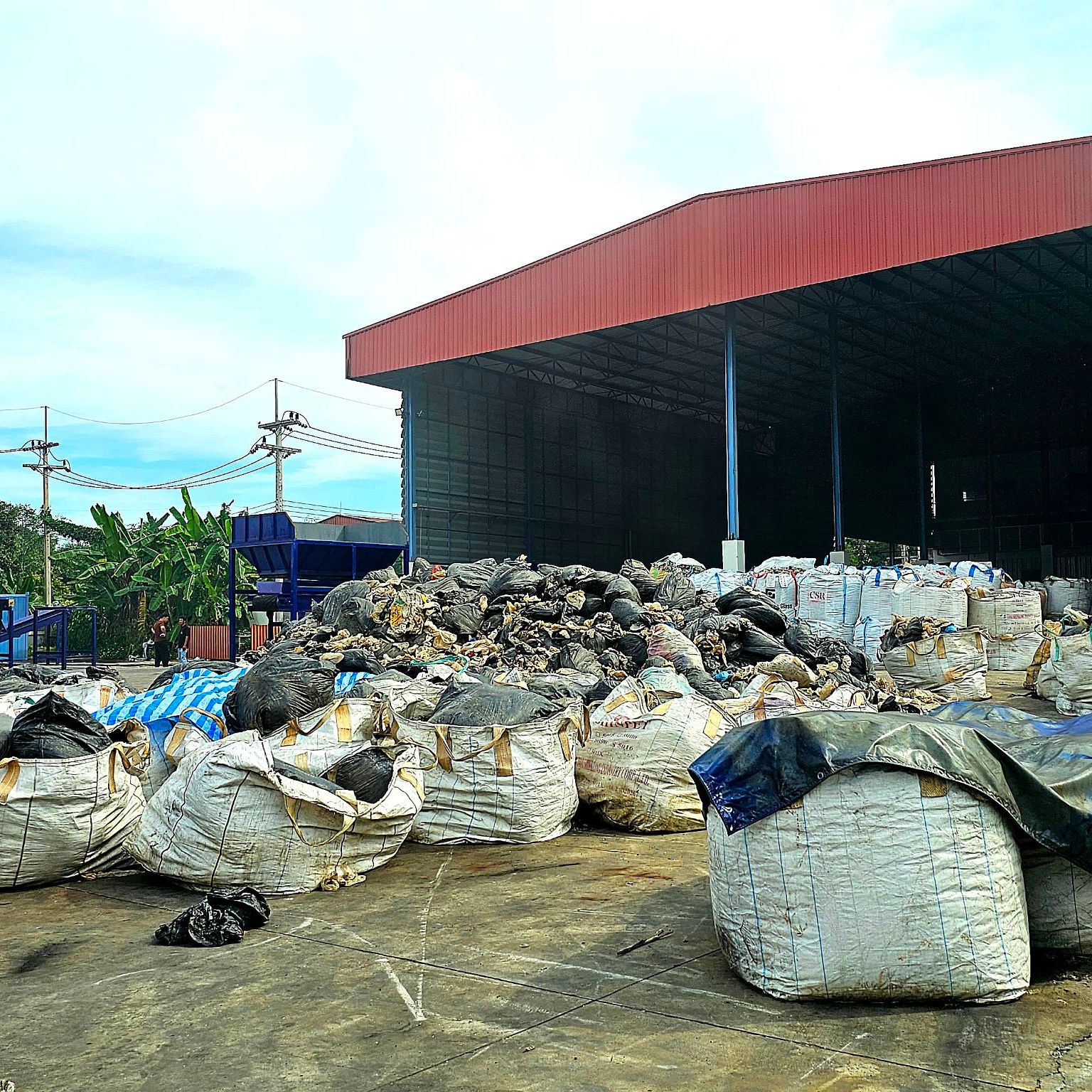
Chemcycle, pyrolysis serves as a pivotal technology for converting plastic waste, which is typically resistant to biodegradation and challenging to process mechanically, into valuable synthetic crude oil.

SYNTHETIC CRUDE OIL
Synthetic crude oil is a product derived from processes such as pyrolysis, which break down various feedstocks, including plastic waste, into oil. Unlike conventional crude oil extracted from geological reserves, synthetic crude is produced by transforming non-petroleum-based sources through chemical processes.
This synthetic crude oil has a composition that allows it to be refined and upgraded into a range of fuels comparable to those obtained from natural crude oil, such as gasoline, diesel, and jet fuel. Additionally, it serves as a chemical feedstock, entering the production cycle of new plastics and other synthetic materials, thus enabling the reuse of waste materials in a new production life cycle.
The process of converting plastic waste into synthetic crude oil embodies the principles of a circular economy.
© Copyright 2024 CHEMCYCLE CO., LTD. | 67/51, SOI LAT PHRAO 35, CHANKASEM, CHATUCHAK, BANGKOK 10900 | Disclaimer
 Chemcycle - Pyrolysis System in Thailand